Hearing Tests
The first step toward better hearing
Hearing loss often happens so gradually that many people do not realize what they are missing until simple conversations become challenging. Small changes, such as turning the TV volume higher, asking people to repeat themselves, or struggling in noisy environments, can be early warning signs that are easy to dismiss.
Regular hearing tests are a simple yet vital step in protecting your hearing health, much like eye exams or dental check-ups. Our team of hearing instrument specialists at Alto Hearing provides thorough assessments that can identify hearing changes early, when they are easiest to address.
We believe in making hearing care comfortable, straightforward, and personalized to your unique needs. Whether you have noticed changes in your hearing or simply want to establish a baseline for future comparison, our testing services help ensure you do not miss out on your favourite sounds and conversations.
Who Needs a Hearing Test?
You may be surprised to learn that many people wait seven to 10 years before seeking help for their hearing difficulties. During this time, the brain slowly adjusts to reduced hearing, making it harder to adapt to hearing aids later. Testing your hearing regularly helps catch these changes before they progress further, giving you the best chance for the right treatment.
Anyone who notices changes in their hearing, struggles to follow conversations, or experiences ringing in their ears should consider a hearing test. Regular testing is also important for those exposed to loud environments, as well as older adults, since hearing can change gradually over time. Catching issues early makes it easier to find the right solutions and maintain clear hearing.
What Happens During a Hearing Test?
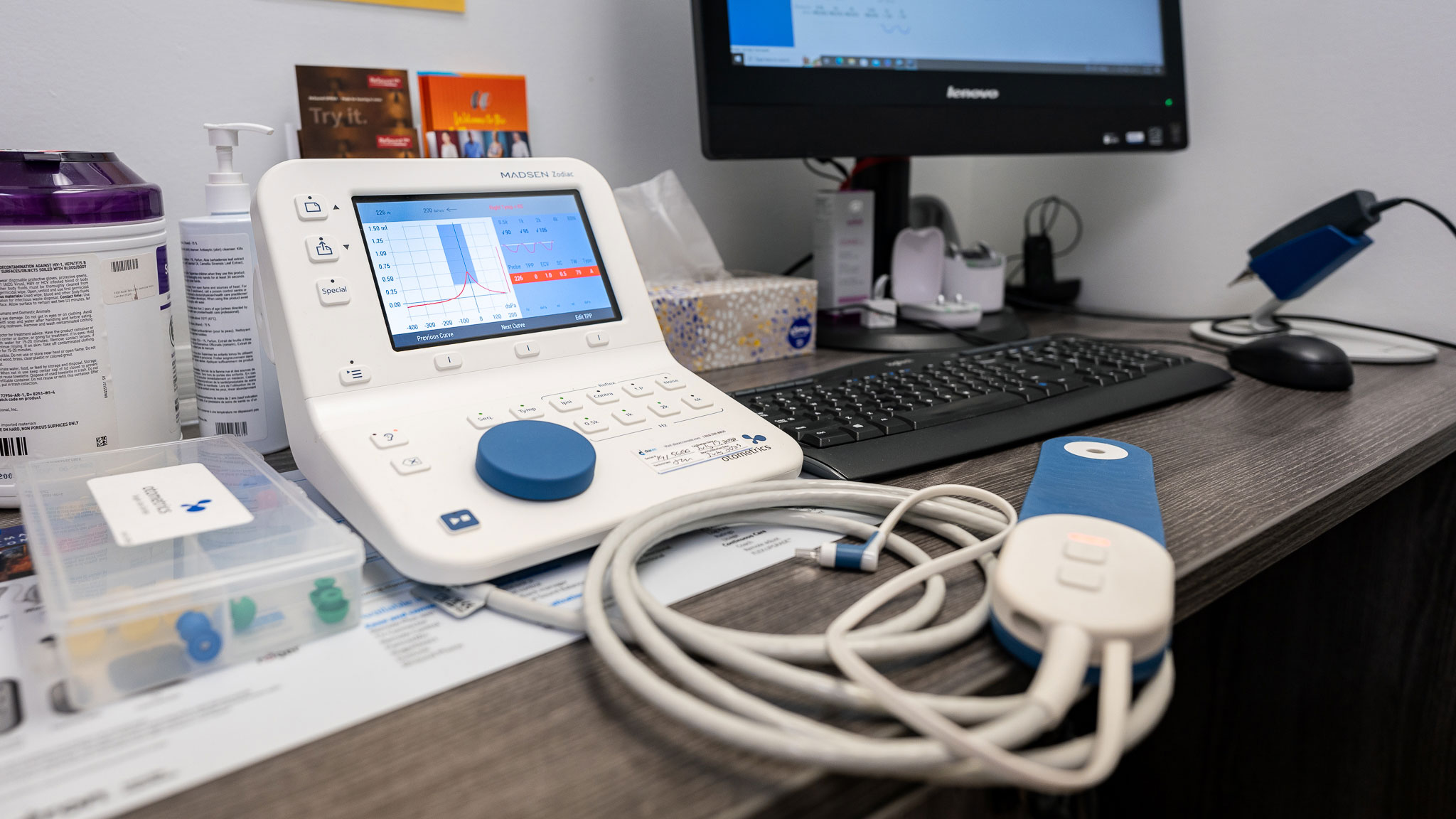
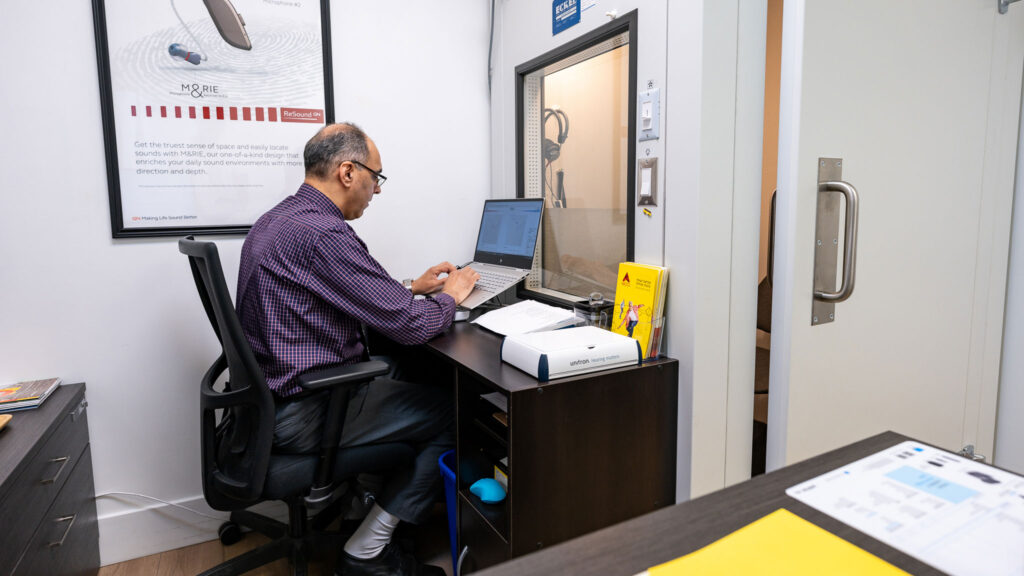
During a hearing test, your hearing instrument specialist will begin by asking about your hearing concerns, lifestyle, and medical history to get a better understanding of any potential issues. Next, we will examine your ears to check for blockages, infections, or other conditions that might affect your hearing. This initial assessment helps determine the best approach for testing and ensures accurate results.
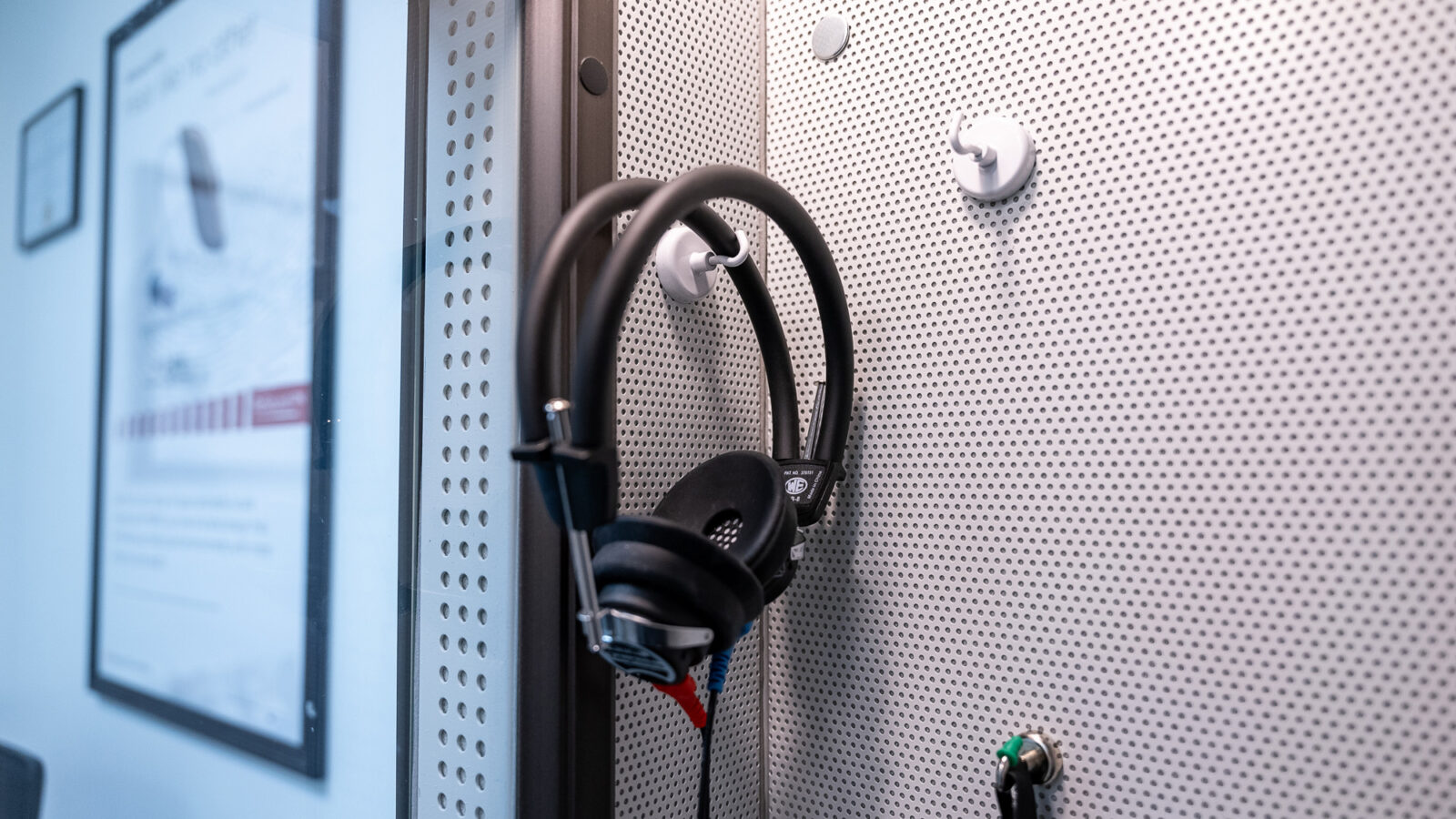
The main part of the test typically involves a series of assessments to measure how well you hear different sounds and speech. You will listen to tones at various pitches and volumes through headphones and indicate when you hear them. Speech testing may also be included to evaluate how well you understand words at different levels. Once the testing is complete, your hearing instrument specialist will explain the results and discuss any next steps based on your hearing needs.
Understanding Your Results
After your hearing test, your hearing instrument specialist will review your results with you in a clear, straightforward way. We will explain what the test measured, how well you hear different sounds, and whether any hearing loss is present. If hearing aids are recommended, we will discuss options that match your needs and lifestyle. This conversation is an opportunity to ask questions and understand what comes next in improving your hearing.
Industrial Hearing Screenings
Hearing damage is a real and unfortunate effect of long-term exposure to loud noise. Noise is a hazard for industrial workers and workers of any occupation who are repeatedly exposed to loud noise.
Hearing damage from noise is fully preventable when the right precautions are taken from the start. Regular hearing tests to evaluate any early signs of hearing loss, as well as everyday preventative measures such as the use of ear plugs, go a long way toward prevention of permanent hearing loss.
Industrial Hearing Test Requirements
In Canada, workplace hearing conservation is guided by the Canadian Centre for Occupational Health and Safety (CCOHS) as well as provincial and territorial regulations. These standards are designed to reduce the risk of noise-induced hearing loss and ensure consistent safety practices across industries.
Most provinces and territories require that workers be included in a hearing conservation program when average daily noise exposure reaches or exceeds 85 dBs. These programs typically include regular hearing testing (audiometric evaluations), education and training for workers, and proper record keeping.
Book Your Hearing Test Today
Take the first step toward better hearing. Contact us to schedule your comprehensive hearing assessment.